Total Pageviews

Search This Blog

Showing posts sorted by relevance for query emory s. foster. Sort by date Show all posts

September 1, 2017

Bushwhacker Skirmishes Nears Warrensburg 11 Killed in total, 2 Captured and Shot to Death

JUNE 17, 1862—Skirmish near Warrensburg, Mo.
Report of Maj. Emory Foster, Seventh Missouri Cavalry (Militia).
Post at WARRENSBURG, MO June 18, 1862.
Lieutenant: I have the honor to report that Lieut. Sandy Lowe, Company G, Seventh Missouri State Militia, with 18 men, yesterday morning came suddenly upon a small squad of bushwhackers at the house of Mrs. Davenport, 9 miles west of this place. (Near Brush Creek?) 
Attack on Confederate Bushwhackers 9 Miles West of Warrensburg, MO
Would have been similar.
They fired upon the militia, wounding one slightly, and fled to the brush. The militia fired, killing two, and securing their horses and arms. A running fight was kept up through the brush for near half a mile, when the lieutenant found himself entirely surrounded by bushwhackers, the number, as near as could be estimated, 80 or 90—report says 150 or 200. The militia fought well for near half an hour, cutting their way through the swarming guerrillas. When they reached the prairie they made a desperate stand, and sent a runner to me for assistance.
I started immediately with 55 men, and met the lieutenant three miles west of here, coming to camp. He reported that he had left three men wounded in the brush, and had killed 8 or 9 of the enemy; that the bushwhackers had followed him a short distance from the brush and then went west. Lieutenant Lowe was shot through the left hand. I went immediately to the ground where the men had been left, and found two of them stripped of their clothing and horribly mutilated, one of them with more than a dozen revolver-balls in his body and his head frightfully broken and mangled.
I followed the trail of the guerrillas some distance, but night coming on and a heavy storm with it, I returned to town. I came by the home of Mrs. Davenport, and found the place deserted, a large quantity of provisions cooked and packed in baskets, sacks, etc., and a long table set for dinner for a number of men. I ordered the house burned, which was done. I found Corporal Holstein, Company G (who had been left on the ground wounded), 3 miles west of here. He had crawled a mile through the grass and brush. His wound is not dangerous. The excitement in the county is intense. As many as 50 citizens from town and county came with arms and offered their services to protect the place. Day before yesterday a young man named White was shot down while plowing in the field. Two of the worst bushwhackers I have in jail will be shot today in part pay for his life.
I have positive information that Upton Hays came into this county three days ago with 100 men and joined Brinker and Snelling, who had 85 or 90 men. The citizens are moving to town in numbers to save what little household goods they have left. Four houses were plundered and one fired day before yesterday.
Yesterday, while in the brush near where the fight occurred Miss Mattie Brinker, sister of the notorious guerrilla chief John Brinker, came to us. A younger brother was with her. Miss Mattie says she left home, some 3 miles southeast of Warrensburg, about 2 o'clock p. m. I had started about 12 p. m. She was much surprised and confused when she discovered who we were. This young lady has been suspected of conveying intelligence to bushwhackers for some time. She and her brother are in confinement.
I am, lieutenant, yours, respectfully,
EMORY S. FOSTER,
Major Seventh Missouri State Militia, Commanding Post,
Lieut. D. A. THATCHER,

Acting Assistant Adjutant- General, Jefferson City, Mo.
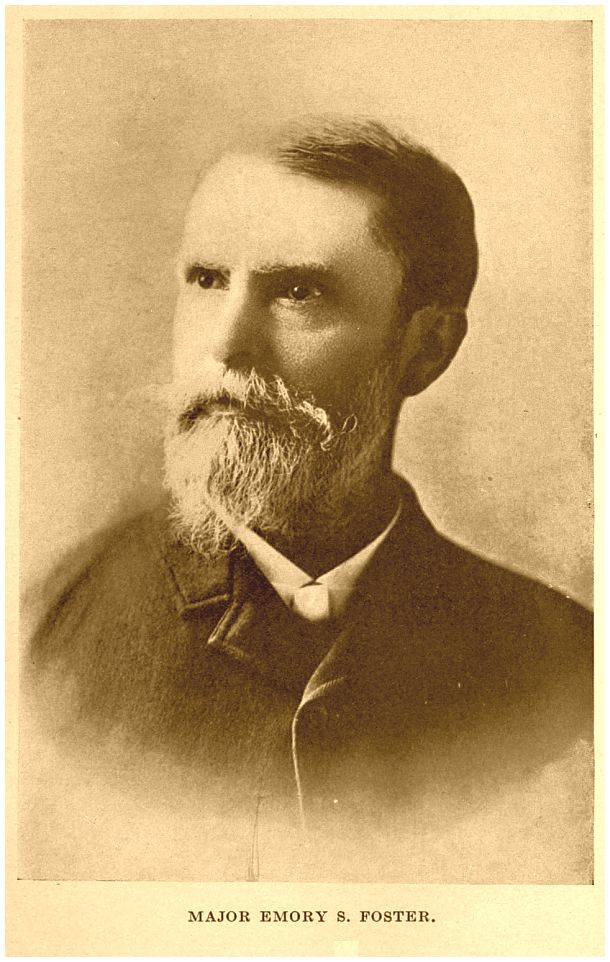
Major Emory S. Foster
Major Emory S. Foster Telegram 1862

Emory S. Foster (November 5, 1839 – December 23, 1902) was a major in the 7th Missouri State Militia Cavalry during the American Civil War. Afterwards he was a St. Louis, Missouri newspaper editor who fought a duel with rival editor and former Confederate John N. Edwards.

Civil War.

Foster was born in Greene County, Missouri.
He was a staunch Unionist whose brother Marshall was murdered by secessionists in early 1861 on his way to vote. During the American Civil War, on Emory formed a Unionist Home Guard company called "Foster's Mounted Rangers" in which he served as captain, enlisting on August 28, 1861. He later enlisted in the Federally funded Missouri State Militia, being elected major of the 7th MSM Cavalry. He and his men engaged in skirmishes around his new home in Warrensburg, Missouri and Foster gained a reputation as an aggressive commander.
On August 15, 1862 after a two-day march from Warrensburg, Missouri to Lexington, Missouri, he was ordered to take 800 men on a 20-mile march to Lone Jack, Missouri to engage Confederate troops that were attempting to capture Jackson County, Missouri in what would become the Battle of Lone Jack.
Upon arrival, Foster's force encountered an 800-1,600 man sleeping Confederate recruiting force under Colonel John T. Coffee and Lieutenant Colonel John Charles Tracy and routed them. However, the firing of Foster's artillery alerted other Confederate recruiting commands in the area of his presence and intent. Confederates under Colonels Vard Cockrell, Upton Hays, and DeWitt C. Hunter were joined by Lt. Col. Tracy and a fierce five-hour battle ensued the next morning. The Federals withdrew after Foster was wounded and Col. Coffee's command joined Cockrell.
Foster and his brother were severely wounded, unable to withdraw, and were taken to a cabin. The cabin was captured by the Confederates and Foster was about to be executed by a member of Quantrill's Raiders when an 18-year-old Cole Younger physically threw the gunman out sparing Foster and his brothers life. They gave $1,000 and their handguns to Younger who then delivered them to the Foster sons' mother in Warrensburg (all despite Younger's being a member of the Confederates).
In 1876, Younger as a member of the James-Younger Gang was captured in the botched Northfield, Minnesota bank robbery. Foster was to forcefully argue for a parole for Younger in the 1890s. Also arguing for the parole was future Secretary of War Stephen Benton Elkins whose only taste of combat had been at Lone Jack, an experience which he said filled him with disgust of war.
Duel with John Newman Edwards
After the war he became an editor at the St. Louis Journal.
On September 4, 1875 he fought a duel north of Rockford, Illinois with Edwards, who was then an editor of the St. Louis Times (after leaving the Kansas City Times in 1873).
The dispute had centered on an August 25 article by Edwards talking about the mistreatment of Jefferson Davis at the Winnebago County, Illinois Fair. The Journal replied the same day "the writer of the Times article had lied, and knew he lied, when he wrote it."
Edwards demanded a retraction and Foster refused saying the editorial was not directed at Edwards personally. On August 30 Edwards challenged Foster to a duel:The disclaimer in the first four paragraphs of your letter would be satisfactory had you followed it up by a withdrawal of the offensive terms of your editorial, so far as they referred to me personally. But as you decline to do so I must, therefore, construe your letter of this date, and its spirit, as a refusal on your part to do me an act of common justice, and so regarding it, I deem it my duty to ask of you that satisfaction which one gentleman has a right to ask of another.
Their seconds made the arrangements and at 5 pm the two met in a field and both missed as Foster smoked a cigar. Foster commented, "A little high."
Edwards demanded a second fire, "I will go on if it takes a thousand fires."
Foster refused a second fire. He had been challenged and shots had been fired and so his honor had been maintained.
Both shook hands and made a bourbon toast.
Foster died in Oakland, California.

There is no headstone for Major Foster. See the memo on the
Photo of the Civil War Section where he was laid to rest.

1850 census Polk Co. MO
Head: Robert A. FOSTER E.P Minister

Older brother Marshal M is age:13
and Armenias A. age:10
Caleb M. (C.Morris)
the rest of the kids on the 1860 census are also listed.


1860 census Warrensburg, Johnson Co. MO
HEAD: R. A Foster age:48 Meth. S. Clergyman S.C.
WIFE: Jane L. age:47 Tenn.
Emory S. age:22 MO. Artist
Melville U. age:18 Dept. County Clerk MO
C. Morris age:17 Printer MO
Maggie C. age:14 MO
Mattie J. age:5

1860 Granby Twnsp. Newton, Mo
Jessie Beal lived with her Mother Elizabeth and siblings.

Sept. 10, 1861 Johnson Co. MO
Capt.Emory S. Foster's Company of
Indpt. Scouts & Guides until Dec. 1/61

Jan. 11 1862 or March 1862 Warrensburg, Johnson Co. MO
Emory S. Foster age 23 enlisted in the 7th MO S.M as a Private.
May 1, 1862 he accepted the promotion to Major. Commanding Post at Warrensburg, Mo.

1862 March 26 wounded in skirmish Post Oak Creek, MO and then in the "Battle of Lone Jack, near Georgetown, dangerously wounded again Aug. 16, 1862." Commanding a Batt., 2 Companies at Lamine."

Aug. 21 1863 Comd'ng Post in Sedalia, MO
Oct/1863-Feb./March-April 1864 he sat on General Court Martial Panels. Nov/63 he was on a Board of Investigation in Jefferson City, MO

Court Martial Duty document
This is only 1 of the 50 pages of his illustrious career.

Some time in 1864-65 Emory met/married
Jessie E. Beal, no marriage record found.

1870 census Joachim Twnsp. Jefferson Co. P.O. Hillsboro, MO
HEAD: Emory S. FOSTER age:31 farmer MO
WIFE: Jessie L. age:26 PA
DAU.: Jessie age:5 MO
Beal, E.W. age:62 "lives with daughter"
Beal, Norman C. age:19 works farm
Lockwood, Margaret age:45 Servant Ireland
Lockwood, Maggie age:9 MO
(This gives us Jessie's maiden name, her mother and younger brother are living with them)

1880 census St. Louis, St. Louis Co. MO
HEAD: Emory S. FOSTER age:41 Editor MO
WIFE: Jessie L. age:35 PA
DAU.: Jessie age:15 MO
MOTHER-IN-LAW Beall, Elizabeth W. age:72

1890 census Soldiers, Sailors, Vets, Widows, St. Louis MO
Major Emory S. FOSTER 7th MO. S.M. 1st Aug. 1862-1st Aug. 1864
line #7= lived on Belle Ave. St. Louis MO-
REMARKS: shot through the body. served full service

1900 census Precinct #15 St. Louis, St. Louis Co. MO
HEAD: Emory S. FOSTER age:61 born:Nov. 1838 MO.- parents S.C/Tn Married:36 yrs. " Secy.Board Public Inif."
WIFE: Jessie E. age:52 born:Jan 1848 PA -Va/Pa
BOARDER: Ada Geier age:30 OH Teacher

1910 census Oakland, California
Emory's widow, Jessie E. Beall-Foster and their daughter Jessie Prole are living in Alameda Ward #7..
Invalid Pension card for Major Emory S FOSTER
F & S gives 2 serves Co.A 7th Missouri State Militia Cavalry AND Capt. Fosters Indpdt. CO. Scouts & Guides MO.H.G

Army Widow pension payment card gives Widow as Jessie E. name of Soldier: Emory S Foster Major of 7th MO. S.M. Vol. Cav she is living on Diamond Ave. Fruitvale, Oakland California. LAst payment June 6, 1920.
Their daughter Jessie is living in Oakland California. And there is a Veterans Hospital nearby.
So Jessie passed before the 1920 census.

February 11, 2020

1862 Major Emory S. Foster Warrensburg - On August 16, 1862 at Lone Jack with 740 men, fought a Confederate force of 3000 one entire day.

Major Emory S. Foster, Warrensburg, MO
Major Emory S. Foster
BY GEO. S. GROVER.
Emory Stallsworth Foster was born in Greene County, Missouri, near Springfield, on November 5, 1839. His father, Robert Alexander Foster, was a native of Georgia, of pure English lineage, and was a Methodist minister of the gospel. His mother, Jane Louise Foster, nee Headlee, was of Scotch Irish lineage. Emory Foster, their second son, was educated in the common schools of that time, but early in life learned the printers' trade.
In 1860, his father removed with his family to Warrensburg, in Johnson County, Missouri. There Emory Foster and his older brother, Marshall M. Foster, established and conducted a weekly newspaper, called the Warrensburg Missourian. It was a Democratic paper, but also fearlessly independent in all its views. In 1861 the Foster brothers were unconditional Union men and supported the United States Government against secession in their paper with great zeal and ability, and thus rendered effective and powerful service to the Union cause in Missouri.
In February 1861, a State Convention was called in Missouri to meet, in that month, to determine whether or not Missouri would secede. The Union delegates were elected in Missouri, in that month, by a majority of 80,000. That Convention not only kept Missouri in the Union but also abolished slavery in the State forever. Johnson County, Missouri, elected a Union delegate to that Convention by a decisive majority. While voting at the polls in February 1861, for the Union candidate, Marshall M. Foster was shot in the back and killed by two of his political opponents in Warrensburg (in the old courthouse). In his death, the Union cause lost a great leader. Foster's assassins escaped, but never thereafter served the secession cause with any credit, and never returned to Warrensburg.
In March 1861, Emory Foster recruited a company of volunteers in Warrensburg, and joined with them as their captain. The 29th Missouri Infantry (mounted) was then being organized by Col. Benjamin W. Grover for the Union army. There were no uniforms to be had at that time, so the boys wore red shirts and black trousers, and were known as the "Red Shirt Company." At that time Francis M. Cockrell, afterward a Confederate general and United States senator from Missouri, was recruiting a company for the 5th Regiment, Confederate Army, in Warrensburg. Cockrell was captain of that company. Afterward, in March 1861, at Captain Cockrell's request, Foster's and Cockrell's companies drilled together on alternate days in Warrensburg in perfect harmony. This is the only instance of that kind known to the writer in the Civil War. Foster's company, the "Red Shirts," became Company C, 27th Missouri Infantry (mounted) Union, in March 1861, and then entered the Military service of the United States. Their captain, Emory S. Foster, was elected major of that regiment at that time. Emory S. Foster soon became a gallant and heroic soldier in that regiment and led many a daring scout with it in western Missouri between the Osage and Missouri rivers in this state.
In August 1861, the regiment was ordered to Jefferson City, Missouri. Major Foster marched one squadron overland from Warrensburg, and in a sharp fight near Centertown, in Cole County, Missouri, attacked and routed a large band of guerrillas, killing ten of them. Upon the arrival of the regiment at Jefferson City, Col. U. S. Grant, 21st Illinois Infantry, afterward the immortal commander of the Union armies, who was then in command of that military post, detailed Major Foster to take command of a picked squadron of the 29th regiment, known as the Fremont Scouts. With this detachment, Major Foster rendered distinguished service in the remaining months of 1861. On one occasion with ten men of his command, he captured a Confederate colonel, Lewis, with his bodyguard, at Holden, Johnson County, Missouri. On another occasion, his command with one company of the 1st Missouri Cavalry, Union, under Major W. J. Striclin, attacked and routed a large band of guerrillas ten miles south of Warrensburg, Missouri, and rescued a government supply train drawn by 1200 oxen. Majors Foster and Striclin escorted this long train to Fort Leavenworth, Kansas, a distance of more than 100 miles, and there delivered to the United States Quartermaster 144 work oxen, in fine condition, and the entire train.
In January 1862, out of 1000 men who joined the 29th regiment, 2nd Infantry (mounted), in March 1861, only 469 men were left with the colors. The rest had been killed and wounded in their arduous service. Therefore, it was decided to muster that regiment out of the military service. This was done at St. Louis, Missouri, on January 27th, 1862. Col. William T. Sherman, who afterward "marched through Georgia," was the officer who mustered out that regiment. Major Foster immediately after his muster out of the 27th regiment commenced making arrangements to re-enter the military service of the United States. In March 1862, Major Foster recruited a squadron, three full companies, from the survivors of the 27th regiment for the 7th Cavalry, Missouri State Militia, a regiment of which Jno. F. Phillips was the gallant colonel, and T. T. Crittenden, afterward Governor of this State, was the brave lieutenant colonel. While recruiting this squadron for the 7th Cavalry at Warrensburg, Missouri, in March 1862, Major Foster was attacked near that place by a large band of guerrillas. In the sharp fight that ensued, the guerrillas were defeated and driven off. Major Foster was wounded in the arm in this fight, but remained in it, cheering his men with the cool determination he always exhibited on such occasions. From March to August 1862, Major Foster was constantly in the field with his squadron of the 7th Cavalry; engaged in almost daily fighting, sometimes at heavy odds with various bands of guerrillas in Western Missouri. On August 16, 1862, at Lone Jack in Jackson county, Missouri, Major Foster, with 740 men, fought a Confederate force-of 3000 one entire day. It was one of the most desperate fights at close range of the Civil War. In the afternoon Major Foster was shot through the body, and his heroic brother, Morris Foster, carried the Major out of the firing line, receiving a bullet through his right lung, a wound from which he never recovered. After the Major fell, his successor in command retreated to Lexington, while the Confederates retreated to Arkansas. Major Foster lost 240 men, killed and wounded in this fight. The Confederate commanders conceded that, but for his disabling wound, Major Foster would have won the
battle.
Major Foster never recovered from the wound he received at Lone Jack. He suffered from it continuously until he died. After the battle the surgeon of the 7th Cavalry, Dr. T. J. Montgomery of Sedalia, advised Major Foster to prepare for death. The Major refused to do so and announced that he intended to recover and rejoin his regiment in the ensuing spring. This he did in March 1863, to the astonishment of the doctors, while the regiment was stationed at Marshfield in Wright county, Missouri. There the officers of the 7th regiment presented Major Foster with the saber, revolvers, and spurs, now in possession of the State Historical Society at Columbia, Missouri. The eloquent presentation speech was made by Col. Jno. F. Philips.
The year 1863, until October, was spent by Major Foster in the field in active service with the 7th Regiment in Southwest Missouri. In October 1863, that brave Confederate General, Joe Shelby, invaded Missouri from Arkansas in that famous expedition of his, which is known in history as the "Shelby Raid." When Shelby reached the Osage River, at Warsaw, in his northward march, Major Foster was with the 7th Regiment at Osceola, Missouri. He was started in pursuit of Shelby by Gen. Brown, the Union commander then in the field, to prevent the capture of Sedalia by Shelby. Major Foster rode all night at the head of his squadron, attacked Shelby's squadron south of Sedalia, and thereby drove the gallant Confederate away from Sedalia, as he supposed Foster's force was the advance guard of Gen. Brown's entire brigade. For this important service, the people of Sedalia gave Major Foster a saddle, bridle and all equipment for his warhorse, as a slight token of their gratitude. Shelby was then pursued by General Brown with the 7th Regiment, led by their brave Colonel Philips and other commands until Shelby was overtaken at Marshall, Missouri, on October 12, 1863, where he was defeated, his force cut in two and chased out of the State. The plan of the battle of Marshall, and Shelby's subsequent pursuit, was devised and carried out by Major Foster, who was Chief of Staff for Gen. Brown in this campaign. Major Foster then remained with the 7th Regiment on active duty until June 1864, when his wound received at Lone Jack broke out afresh and he was, thereby forced to resign. Major Foster then returned to Warrensburg, Missouri where he remained until September 1864.
Then came the invasion of Missouri from Arkansas by the Confederate General, Sterling Price, with a large force. Gen. Brown was then at Warrensburg and was ordered to march with his brigade to Jefferson City to aid in the defense of that place. Warrensburg. was then the western terminus of the Missouri Pacific Railroad in this State and was an important military point. Gen. Brown had collected there a large amount of military stores, which he could not take with him. So, he sent for Major Foster and asked him to re-enlist and hold the place and save the stores. The General then marched with his command to Jefferson City. There was at that time at Warrensburg a number of Union soldiers whose terms of service had expired. In four days, Major Foster recruited and mounted four companies of cavalry. Gen. Brown caused them to be mustered into the military service and appointed Major Foster to command them with the rank of major of volunteers, cavalry. With this force, Major Foster held the town and increased by foraging the stores on hand.
On October 16, Major Foster was ordered to proceed west until he met Gen. Blunt, who was moving east with a division of Kansas volunteers. Major Foster moved promptly met Gen. Blunt at Pleasant Hill and returned with him to Holden. There, Major Foster's wound again disabled him so that he was compelled to divide his battalion and return with part of it to Warrensburg. The remainder of the battalion he left at Holden under the command of Gen. Blunt. That part of Major's Foster's battalion, under its senior Captain, served in the field with Gen. Blunt for 40 days and nights and was with him in the subsequent battles in which Gen. Price was defeated and driven from the State. For this service, Major Foster and his battalion received honorable mention in the military records of that time.
In 1865, Major Foster was elected public printer for the State for a term of four years. He removed to Jefferson City and served with distinction in that office for four years. After his term of office expired, he then removed to a fruit farm in Jefferson County, Missouri, and remained there two years. He was then appointed managing editor of the St. Louis Journal, an evening paper, and removed to St. Louis. Shortly thereafter the good people of Rockford, Illinois, concluded to hold a County Fair, and they invited Jefferson Davis, ex-president of the Southern Confederacy, to attend it, as an advertising scheme. The editorial comment in the St. Louis Journal of Major Foster's, on this act, was so severe and was followed in such hearty spirit by the Chicago papers that the invitation was withdrawn, although Mr. Davis declined it after considering it. The ex-Confederates in St. Louis, who resented Mr. Davis' treatment of General Joe Johnston, an able Confederate general, in removing him from command at Atlanta, Georgia in 1864, rather enjoyed this incident. Not so, as to many southern sympathizers then in St. Louis, who had not served in the army in the Civil War. A Roman historian writing of the Civil Wars of Rome long ago, fully described these St. Louisians in his maxim, "After the Civil War it was impossible to restrain the fury of the non-combatants."
At that time the St. Louis Times, then a morning paper, ably edited by Major John N. Edwards, a gallant Confederate soldier, who had served as Chief of Staff for Gen. Joe Shelby. He (Major Edwards) was so besieged by the "non-combatants," that he demanded a retraction from Major Foster. Major Foster promptly refused it. Major Edwards then challenged Major Foster. Major Foster accepted, and named Rockford, Illinois, as the place of meeting. The two majors met there and exchanged shots, fortunately missing each other. They were always personal friends after that duel. While editing the St. Louis Journal, Major Foster attacked the "Whiskey Ring," then a powerful organization in St. Louis, with such success as to cause its prosecution and conviction.
About 1881, Major Foster was appointed secretary of the Board of Public Improvements in St. Louis. He held that office for twenty consecutive years, until 1901 when his health failed, and he was compelled to resign. He always performed the duties of that important place with strict and impartial fidelity to the public interest.
With the hope of regaining his health, which was then much impaired, Major Foster went to California in 1902. He died in Oakland, California, in December of that year. He is buried in the lot owned by the Grand Army of the Republic in Oakland, California, a spot of surpassing beauty, and there his body awaits with confidence its final resurrection. In the meantime, his steadfast and earnest soul is reunited in Heaven with his kinsmen and comrades, who have "gone before."
On January 18, 1864, Major Foster was married in Sharon, Beaver county, Pennsylvania, to Miss Jessie Elizabeth Beall. This accomplished lady and devoted wife and mother lives in California. One child, a daughter, Jessie, was born to this couple in Warrensburg, Missouri, on January 13, 1865. This daughter, a girl of rare beauty and intellectual gifts, grew to womanhood, the delight of all her people. She died in California after her father's decease. She is buried hear him and is now with him in Heaven.
As a soldier, Major Foster was the peer of anyone who ever served in any war. Of rare judgment, dauntless courage and skill in the military science he had few equals, and no superiors. As a citizen, his public spirit and impartiality in the public service, rare zeal, and uniting ability and perseverance for the public good, rendered him always a natural leader among men. As a husband and father, he was, beyond comparison, one of the best of men and to those whose privilege it was to know him in life, and who now survives him, us final salutation to his choice spirit, as we never cease to mourn
his loss can only be, Hail and Farewell.

September 22, 2021

1862 Major Foster, Wounded at Lone Jack, Life Saved by Outlaw Cole Younger

Major Emory S. Foster Of Johnson County, Missouri 
A Brief Biography and the story of being saved by Cole Younger.

Major Emory S. Foster, Life Spared by Outlaw Cole Younger of Lee's Summit
"During the Civil War, some of the bitter and brutal episodes in American history took place here between Kansas Jayhawkers and Redlegs and Missouri slaveholders. Even before the war broke out, the fury of conflicting views had resulted in armed struggles, The fight began as one of opinion; it ended as one of revenge.
150th Anniversary Re-enactment of the Battle of Lone Jack, Phot by Phil Peterson
GIgapan Photo Link
The little town of Lone Jack (350 pop.), received its name from a blackjack tree near a spring which served as a prairie landmark. The town has changed little since the late afternoon of August 15, 1862, when Major Emory S. Foster, out to prevent recently arrived Confederate forces from recruiting in the neighborhood, marched his command of 985 Calvary men and two pieces of artillery into town, forced the Confederates to withdraw, and established himself at the Cave Hotel. Early the next hedge-rows near the town concealed detachments of Confederate soldiers under the command of colonels Cockrell, Thompson, and Coffee, supported by Charles Quantrill's guerrillas: Coleman and James Younger, Frank and Jesse James, George Todd, David Pool, John Jarrette, and other young men. At five o'clock a gun was fired and house to house fighting began. The hotel served as a hospital, until it became the center of the battle. After five hours the Federals were obliged to retreat.

Yankee House Home of David and Orlena Yankee, Lone Jack,
built ca. 1880-1885  Family Picnic c.a.1903
Photo courtesy of Eric and Gay Engstrom

Union and Confederate dead were buried in separate trenches in the SOLDIERS CEMETERY. The names of the dead were not obtained and there are no individual identification marks. The grave of the Confederates, on the site of the blackjack tree, is marked by a marble shaft approximately 26 feet high. An eight-foot pillar of concrete blocks marks the Union grave, from which the bodies were exhumed in 1867 and removed to Leavenworth, Kansas."
Emory S. Foster was born 5 November 1838, in St. Louis, Missouri. He died 23 December 1902 in Oakland, California. 
On January 18, 1864, Major Foster was married in Sharon, Beaver county, Pennsylvania, to Miss Jessie Elizabeth Beall. One child, a daughter, Jessie, was born to this couple in Warrensburg, Missouri, on January 13, 1865. This daughter died in California after her father's decease. She is buried near him.
Emory was a son of Robert A. Foster and Jane (Headlee) Foster. Robert A. Foster was born 9 May 1812 in St. Louis and died 10 March 1881 in St. Louis. Jane L. (Headlee) Foster, daughter of Caleb and Mary (Steele) Headlee. was born 3 March 1813 in Greene County, Missouri and died 16 November 1893 in St. Louis. Children of Robert and Jane were Marshall McCord, Emory S., America A., Melville, Caleb, Mary, Margaret C., and Mattie J. Foster. Robert A. Foster was a Minister of the Methodist Episcopal Church and was early in Johnson County. 
In March, 1861, Emory Foster recruited a company of volunteers in Warrensburg, and joined with them as their captain. The 29th Missouri Infantry (mounted) was then being organized by Col. Benjamin W. Grover for the Union. 
There were no uniforms to be had at that time, so the Union army boys wore red shirts and black trousers, and were known as the "Red Shirt Company." At that time Francis M. Cockerell, afterwards a Confederate general and United States Senator from Missouri, was recruiting a company for the 5th Regiment, Confederate Army, in Warrensburg. Cockrell was captain of that company. 
Afterwards, in March 1861, at Captain Cockrell's request, Foster's and Cockrell's companies drilled together on alternate days in Warrensburg in perfect harmony. This is probably the only instance of that kind in the Civil War. Foster's company, the "Red Shirts," became Company C, 27th Missouri Infantry (mounted) Union, in March 1861, and then entered the Military service of the United States. Their captain, Emory S. Foster, was elected major of that regiment at that time.
In August 1861, the regiment was ordered to Jefferson City, Missouri. Major Foster marched one squadron overland from Warrensburg, and in a sharp fight near Centertown, in Cole County, Missouri, attacked and routed a large band of guerrillas, killing ten of them. Upon the arrival of the regiment at Jefferson City, Col. U. S. Grant, 21st Illinois Infantry, afterward the commander of the Union armies, who was then in command of that military post, detailed Major Foster to take command of a picked squadron of the 29th regiment, known as the Fremont Scouts. 
With this detachment, Major Foster rendered distinguished service in the remaining months of 1861. On one occasion with ten men of his command, he captured a Confederate colonel, Lewis, with his bodyguard, at Holden, Johnson County, Missouri. On another occasion, his command with one company of the 1st Missouri Cavalry, Union, under Major W. J. Stricklin, of Warrensburg, Missouri, rescued a government supply train that was attacked and routed a large band of guerillas ten miles south, a train drawn by 1200 oxen. Majors Foster and Stricklin escorted this long train to Fort Leavenworth, Kansas, a distance of more than 100 miles, and there delivered to the United States Quartermaster 144 work oxen, in fine condition, and the entire train. 
In January, 1862, out of 1000 men who joined the 29th regiment, 2nd Infantry (mounted), in March, 1861, only 469 men were left. The rest had been killed and wounded in service. Therefore, it was decided to muster that regiment out of the military service. This was done at St. Louis, Missouri, on January 27th, 1862. Col. William T. Sherman, who afterwards "marched through Georgia," was the officer who mustered out that regiment. Major Foster immediately after his muster out of the 27th regiment commenced making arrangements to re-enter the military service of the United States. In March 1862, Major Foster recruited a squadron, three full companies, from the survivors of the 27th regiment for the 7th Cavalry, Missouri State Militia, a regiment of which John F. Phillips was the colonel, and T. T. Crittenden, afterward Governor of this State, was the lieutenant colonel. 
While recruiting this squadron for the 7th Cavalry at Warrensburg, Missouri, in March 1862, Major Foster was attacked near that place by a large band of guerrillas. In the sharp fight that ensued, the guerrillas were defeated and driven off. Major Foster was wounded in the arm in this fight, but remained in it.
From March to August, 1862, Major Foster was constantly in the field with his squadron of the 7th Cavalry; engaged in almost daily fighting, sometimes at heavy odds with various bands of guerillas in Western Missouri.
In April 1862, Major Foster came under fire from the local Johnson County residents and from his Superiors for ordering his men to burn the homes of many Southern Sympathizers throughout Johnson county. They had laid waste to much of the countryside. Whole neighborhoods had gone up in smoke. (Link to Provost Marshal Report)
On August 16, 1862, at Lone Jack in Jackson county, Missouri, Major Foster, with 740 men, fought a confederate force-of 3000 one entire day. It was one of the most desperate fights at close range of the Civil War. In the afternoon Major Foster was shot through the body, and his brother, Morris Foster, carried the Major off the firing line, receiving a bullet through his right lung, a wound from which he never recovered. 
Upon arrival, Foster's force had encountered an 800-1,600 man sleeping Confederate recruiting force under Colonel John T. Coffee and Lieutenant Colonel John Charles Tracy and routed them. However, the firing of Foster's artillery alerted other Confederate recruiting commands in the area of his presence and intent. Confederates under Colonels Vard Cockrell, Upton Hays, and DeWitt C. Hunter were joined by Lt. Col. Tracy and a fierce five-hour battle ensued the next morning. The Federals withdrew after Foster was wounded and Col. Coffee's command joined Cockrell. 
Foster and his brother were severely wounded, unable to withdraw, and were taken to a cabin. The cabin was captured by the Confederates and Foster was about to be executed by a member of Quantrill's Raiders when an 18-year old Cole Younger physically threw the gunman out sparing Foster's and his brother's lives. They gave $1,000 and their handguns to Younger who then delivered them to the Fosters' mother in Warrensburg, despite Cole Younger being a Confederate. 


Cole Younger Saved the life Of Major Emory S. Foster, Warrensburg, MO 
After the Major fell, his successor in command retreated to Lexington, while the Confederates retreated to Arkansas. Major Foster lost 240 men, killed and wounded in this fight. The Confederate commanders conceded that, but for his disabling wound, Major Foster may have won the battle. 
Foster never recovered from the wound he received at Lone Jack. He suffered from it continuously until he died. After the battle, the surgeon of the 7th Cavalry, Dr. T. J. Montgomery of Sedalia, advised Major Foster to prepare for death. The Major refused to do so, and announced that he intended to recover and rejoin his regiment in the coming spring. 
This he did in March 1863, to the astonishment of the doctors, while the regiment was stationed at Marshfield in Wright county, Missouri. There the officers of the 7th regiment presented Major Foster with the saber, revolvers and spurs, now in possession of The State Historical Society at Columbia, Missouri. The eloquent presentation speech was made by Col. John F. Philips. 
The year 1863, until October, was spent by Major Foster in the field in active service with the 7th Regiment in Southwest Missouri. 
In October 1863, Confederate General Joe Shelby, invaded Missouri from Arkansas. When Shelby reached the Osage River, at Warsaw, in his northward march, Major Foster was with the 7th Regiment at Osceola, Missouri. He was started in pursuit of Shelby by Gen. Brown, the Union commander then in the field, to prevent the capture of Sedalia by Shelby. Major Foster rode all night at the head of his squadron, attacked Shelby's squadron south of Sedalia, and thereby drove the Confederates away from Sedalia, as he supposed Foster's force was the advance guard of Gen. Brown's entire brigade. For this important service the people of Sedalia gave Major Foster a saddle, bridle and all equipment for his war horse. 
The plan of the battle of Marshall, and Shelby's subsequent pursuit, was devised and carried out by Major Foster, who was Chief of Staff for Gen. Brown in this campaign. Shelby was overtaken at Marshall, Missouri, on October 12, 1863, where he was defeated, his force cut in two and driven out of the State. 
Major Foster then remained with the 7th Regiment on active duty until June 1864, when his wound received at Lone Jack broke out again and he was, thereby forced to resign. Major Foster then returned to Warrensburg, Missouri where he remained until September 1864. 
Than came the invasion of Missouri from Arkansas by the Confederate General, Sterling Price, with a large force. Gen. Brown was then at Warrensburg, and was ordered to march with his brigade to Jefferson City to aid in the defense of the city. 
Major Foster was asked him to re-enlist and hold the place and save the stores. The General then marched with his command to Jefferson City. There was at that time at Warrensburg a number of Union soldiers whose terms of service had expired. In four days Major Foster recruited and mounted four companies of cavalry. Gen. Brown caused them to be mustered into the military service and appointed Major Foster to command them with the rank of major of volunteers, cavalry. With this force Major Foster held the town, and increased by foraging the stores on hand. 
On October 16, Major Foster was ordered to proceed west until he met Gen. Blunt, who was moving east with a division of Kansas volunteers. Major Foster moved promptly and met Gen. Blunt at Plesant Hill, and returned with him to Hoiden. There, Major Foster's wound again disabled him so that he was compelled to divide his battalion and return with part of it. The remainder of the battalion he left at Warrensburg, at Holden under the command of Gen. Blunt. That part of Major's Foster's battalion, under its senior Captain, served in the field with Gen. Blunt for 40 days and nights and was with battles in which Gen. Price was defeated him in the subsequent and driven from the State. 
In 1865, Major Foster was elected public printer for the State for a term of four years. He removed to Jefferson City and served with distinction in that office for four years. After his term of office expired he then removed to a fruit farm in Jefferson County, Missouri, and remained there two years. 
He was then appointed managing editor of the St. Louis Journal, an evening paper, Shortly and removed to St. Louis. Thereafter the good people of Rockford, Illinois, concluded to hold a County Fair, and they invited Jefferson Davis, ex-president of the Southern Confederacy, to attend it. 
The editorial comment in the St. Louis Journal of Major Foster's, on this act, was so severe and was followed in such hearty spirit by the Chicago papers that the invitation was withdrawn, although Mr.Davis declined it after considering it. The ex-Confederates in St. Louis, who resented Mr. Davis' treatment of General Joe Johnston, an able Confederate general, in removing him from command at Atlanta, Georgia in 1864, rather enjoyed this incident. Not so, as to many southern sympathizers then in St. Louis, who had not served in the army in the Civil War. 
At that time the St. Louis Times, then a morning paper, was ably edited by Major John N. Edwards, a gallant Confederate soldier, who had served as Chief of Staff for Gen.Joe Shelby, and was the author of "Noted Guerrillas". He (Major Edwards) was so besieged by the "noncombatants," that he demanded a retraction from Major Foster. Major Foster promptly refused it. Major Edwards then challenged Major Foster to a duel. Major Foster accepted, and named Rockford, Illinois, as the place of meeting. The two majors met there and exchanged shots, fortunately missing each other. They were always personal friends after that duel. While editing the St. Louis Journal, Major Foster attacked the "Whiskey Ring," then a powerful organization in St. Louis, with such success as to cause its prosecution and conviction. 
About 1881, Major Foster was appointed secretary of the Board of Public Improvements in St. Louis. He held that office for twenty consecutive years, until 1901, when his health failed and he was compelled to resign. 
With the hope of regaining his health, which was then much impaired, Major Foster went to California in 1902. He died in Oakland, California, in December of that year. He is buried in the lot owned by the Grand Army of the Republic in Oakland, California.

James R. Baker Jr. Link

Meantime, however, Major Emory L. Foster, in command at Lexington, had hurried out to find Quantrill, if possible, and avenge Independence. Foster had nearly 1,000 cavalrymen and two pieces of Rabb's Indiana battery that had already made for itself a name for hard fighting. He did not dream of the presence of Cockrell and his command until he stumbled upon them in Lone Jack. At nightfall, the Indiana battery opened on Lone Jack, and the Confederate commands were cut in two, Coffee retreating to the south, while Cockrell withdrew to the west, and when Col. Hays and 18 I arrived, had his men drawn up in line of battle, while the officers were holding a council in his quarters. “Come in, Colonel Hays,” exclaimed Col. Cockrell. “We just sent a runner out to look you up. We want to attack Foster and beat him in the morning. He will just be a nice breakfast spell.” Col. Hays sent me back to bring up his command, but on second thought said: “No, Lieutenant, I'll go, too.” On the way back he asked me what I thought about Foster being a “breakfast spell.” “I think he'll be rather tough meat for breakfast,” I replied. “He might be all right for dinner.” But Cockrell and Foster were neighbors in Johnson county, and Cockrell did not have as good an idea of Foster's fighting qualities that night as he did twenty-four hours later. The fight started at daybreak, hit or miss, an accidental gunshot giving Foster's men the alarm. For five hours it waged, most of the time across the village street, not more than sixty feet wide, and during those five hours every recruit there felt the force of Gen. Sherman's characterization—“War is hell.” Jackman, with a party of thirty seasoned men, charged the Indiana guns, and captured them, but Major Foster led a gallant charge against the invaders and recaptured the pieces. We were out of ammunition, and were helpless, had the fight been pressed. Riding to the still house where we had left the wagon munitions we had taken a few days before at Independence, I obtained a fresh supply and started for the action on the gallop. Of that mad ride into the camp, I remember little except that I had my horse going at full tilt before I came into the line of fire. Although the enemy was within 150 yards, I was not wounded. They did mark my clothes in one or two places, however. Major Foster, in a letter to Judge George M. Bennett of Minneapolis, said: “During the progress of the fight, my attention was called to a young Confederate riding in front of the Confederate line, distributing ammunition to the men from what seemed to be a ‘splint basket.’ He rode along under a most galling fire from our side the entire length of the Confederate lines, and when he had at last disappeared, our boys recognized his gallantry in ringing cheers. I was told by some of our men from the western border of the state that they recognized the daring young rider as Cole Younger. About 9:30 a.m., I was shot down. The wounded of both forces were gathered up and were placed in houses. My brother and I, both supposed to be mortally wounded, were in the same bed. About an hour after the Confederates left the field, the ranking officer who took command when I became unconscious, gathered his men together and returned to Lexington. Soon after the Confederates returned. The first man who entered my room was a guerrilla, followed by a dozen or more men who seemed to obey him. He was personally known to me and had been my enemy from before the war. He said he and his men had just shot a lieutenant of a Cass county company whom they found wounded and that he would shoot me and my brother. While he was standing over us, threatening us with his drawn pistol, the young man I had seen distributing ammunition along in front of the Confederate line rushed into the room from the west door and seizing the fellow, thrust him out of the room. Several Confederates followed the young Confederate into the room, and I heard them call him Cole Younger. He (Younger) sent for Col. Cockrell (in command of the Confederate forces) and stated the case to him. He also called the young man Cole Younger and directed him to guard the house, which he did. My brother had with him about $300, and I had about $700. This money and our revolvers were, with the knowledge and approval of Cole Younger, placed in safe hands, and were finally delivered to my mother in Warrensburg, Mo. Cole Younger was then certainly a high type of manhood, and every inch a soldier, who risked his own life 19 to protect that of wounded and disabled enemies. I believe he still retains those qualities and would prove himself as good a citizen as we have among us if set free, and would fight for the Stars and Stripes as fearlessly as he did for the Southern flag. I have never seen him since the battle of Lone Jack. I know much of the conditions and circumstances under which the Youngers were placed after the war, and knowing this, I have great sympathy for them. Many men, now prominent and useful citizens of Missouri, were, like the Youngers, unable to return to their homes until some fortunate accident threw them with men they had known before the war, who had influence enough to make easy their return to peace and usefulness. If this had occurred to the Youngers, they would have had good homes in Missouri.” It is to Major Foster's surprise of the command at Lone Jack that Kansas City owes its escape from being the scene of a hard battle August 17, 1862. Quantrill was not in the fight at Lone Jack at all, but Jarrette and Gregg did come up with some of Quantrill's men just at the end and were in the chase back toward Lexington. In proportion to the number of men engaged, Lone Jack was one of the hardest fights of the war. That night there were 136 dead and 550 wounded on the battlefield. 

April 13, 2017

2017 Johnson County Missouri Historical Society Newsletter

imageedit_6_2655600495.jpg
Preserving our heritage since 1920
Destry Hough
President
Holden

Greg Biesemeyer
Vice Pres.

Don Daugherty
Secretary

Donna Holt
Treasurer

Bill Wayne

Frank Todd

Herb Best

Jim White

Fran Billings

Doris Brookshier
Membership Chair
660 747-6795


Banner picture by Jo Narron.  This and other paintings are on sale at the Little Gift Shop.
LITTLE GIFT SHOP OPENS

imageedit_9_4388304892.jpg

By Fran Billings

Greetings to one and all from The Little Gift Shop on the Old Towne Square where neighbors gather and new friendships are made.
How quickly the seasons come and go.  Behind us is that beautiful fall day in October when the Little Gift Shop celebrated  a Grand Opening with many friends and neighbors.  Many of our participating Johnson County  artists were present to greet and visit with shoppers.  Then came the chilly weather, busy days of the Holiday Season.  Shoppers came and went, most from Johnson County yet many from our neighboring counties and several states, even from other countries.   
The Little Gift Shop’s monthly free gifts have been a hit, especially “Granny’s Receipts,” a small volume of early recipes.  October introduced Volume 1, Desserts; January, Volume2, Meats: April will bring Volume 3, Granny’s Soups and Salads and Volume 4 in July is Vegetables of course. The little line drawings with tidbits of County history enclosed in Christmas ornaments and on the valentine bookmarks were also received with approval.   For The Little Gift Shop staff who design and make these small “gifts of history” the challenge of giving back to community is good fun.


Meet the Artists Whose Work is Featured at the Little Gift Shop On the Old Towne Square
Our participating Johnson County artists provide original artwork of beauty, quality and affordability. Come Visit with us and get to know the talented artists who make The Little Gift Shop possible. We will look for you on the Old Towne Square.
imageedit_58_9538987573.jpgIona Heck    imageedit_44_3092163056.jpgEric & Amber

imageedit_37_2338635735.jpg
Thomas O’Neill Holmerty


imageedit_28_7334303133.jpg


imageedit_52_9350679676.jpg
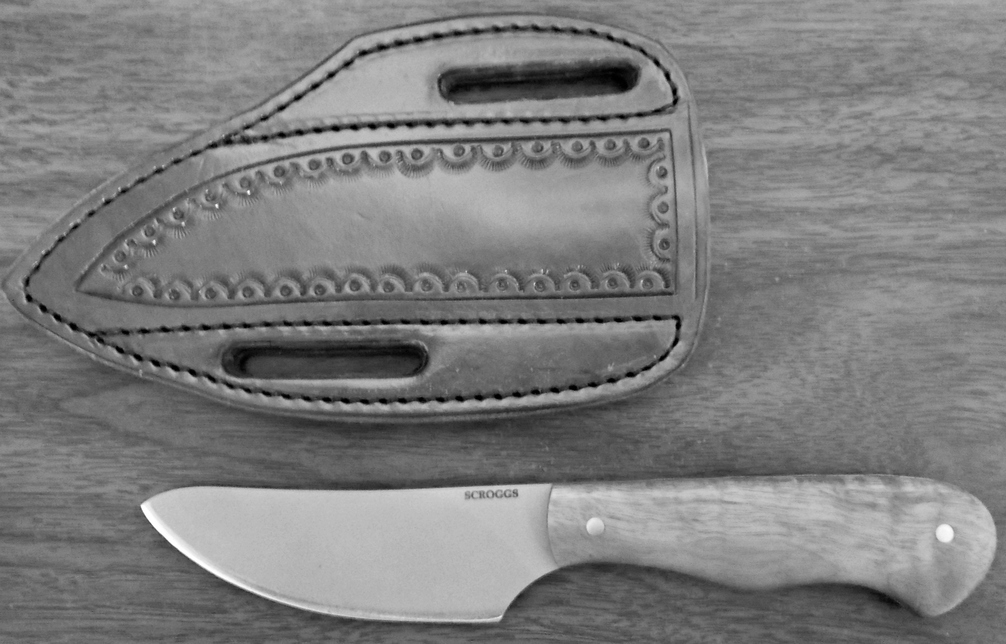
Bill Scroggs  Annette Scroggs
imageedit_15_9797989159.jpg
Allina Yates
imageedit_31_3967058297.jpg
Jim Scroggs

imageedit_42_8051620963.jpgHolli Burge
imageedit_48_7419000994.jpgCynthia and Nathan Epp
  imageedit_56_5463400259.jpg  Jan Evansimageedit_54_2864678844.jpgKarmann Nelson

imageedit_60_3018208310.jpg

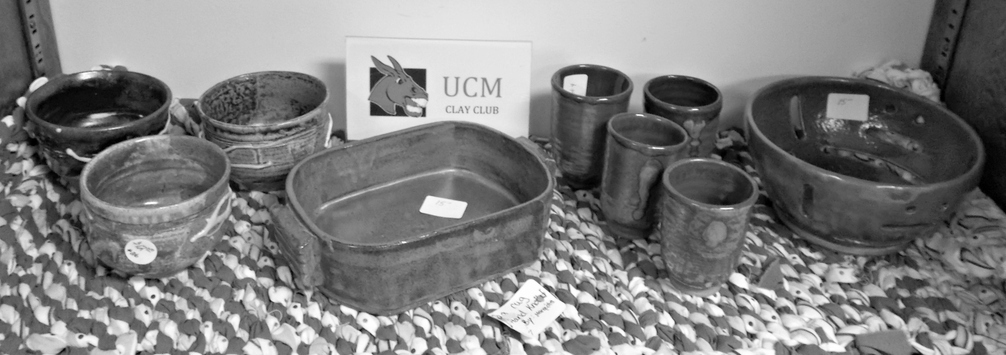
Hand knotted rug from the Johnson County Board of Services.  Teresa Scarbrough represents the UCM Clay Club.
imageedit_68_7293027289.jpgimageedit_78_4523039650.jpgMarty Werneke
Lucinda Gress-Jones
imageedit_62_3512642752.jpg  imageedit_40_7145671971.jpg
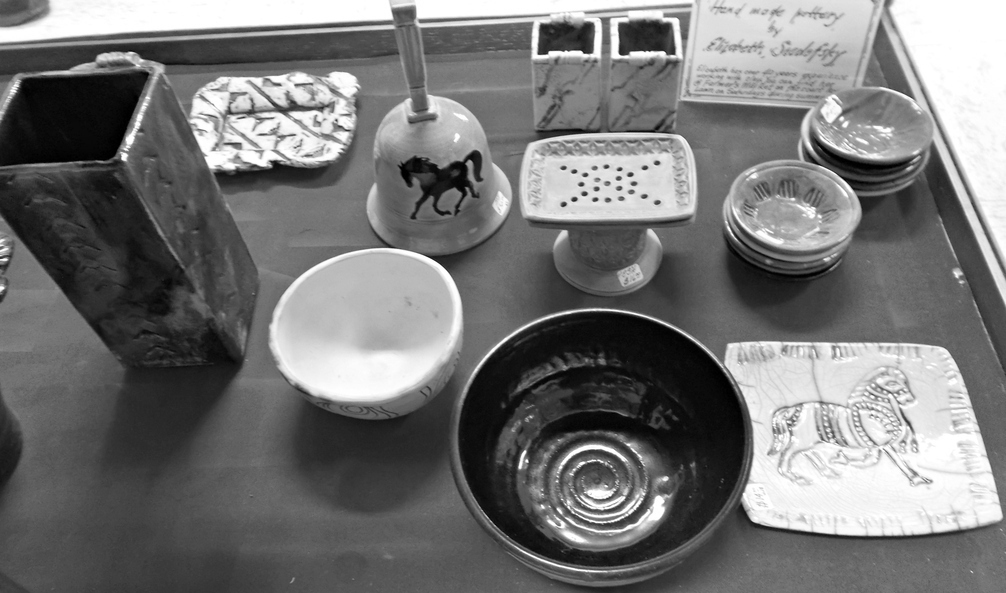
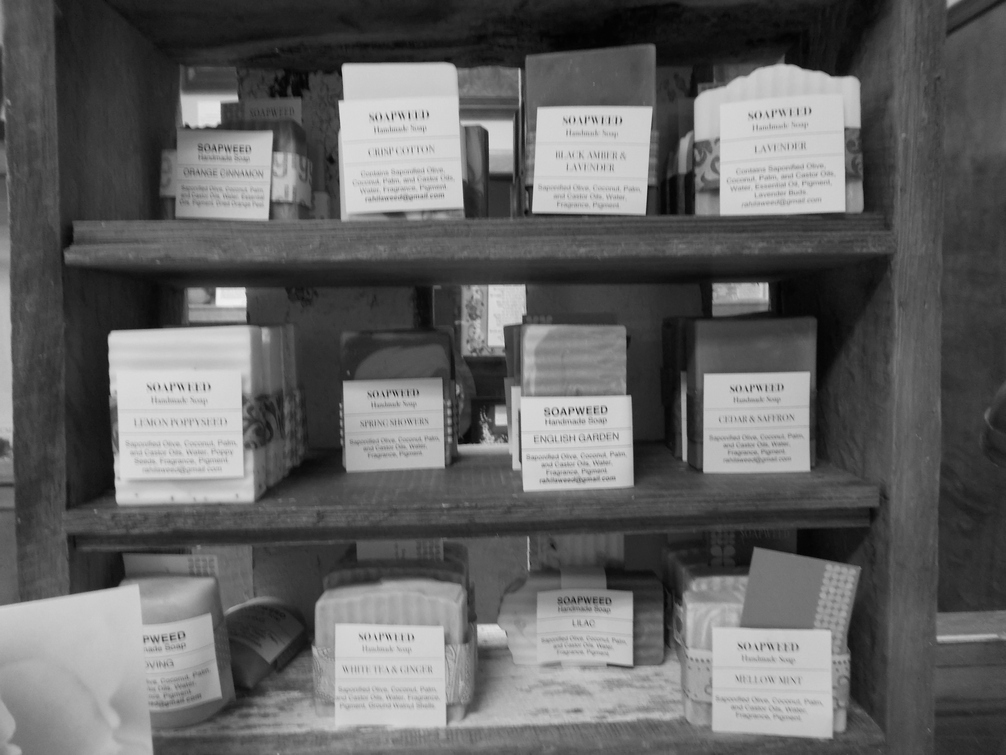
Elizabeth Socolofsky-Howe                      Rahila Weed
imageedit_21_2970899302.jpgKim Davisimageedit_64_9353829074.jpg     Rose Marie Kinder       h.s.sugar.jpgLorna Hall
                                                 
Dean Young offers some beautiful engraved glass ornaments..  Rachel May and Katha Garza provided holiday decorations.]

Johnson County’s Greatest  Living Historians
imageedit_76_8677314676.jpg
Bob Wyatt, Leeton, MO

Bob Wyatt grew up in Leeton and graduated from high school there. He attended Central Christian College of the Bible in Moberly, Missouri where he received a B.S. in Bible. He later attended the University of Central Missouri receiving a Bachelor in Music Education and a M.S. in Education.

He has over 40 books published dealing with family and local histories and was the driving force in establishing the Leeton Museum and Mineral Creek Historical Society for his home town. He has owned/operated three newspapers, restored an 1835 house and converted it into a restaurant, and worked as a high school band and choir director for 15 years. He is currently a Leeton city councilman. Many of his books are for sale at the Historical Society.


imageedit_113_4003724239.jpg
Bruce Uhler was raised in Warrensburg and studied Finance at the University of Central Missouri and at the University of Missouri at Columbia.  He lived in Orlando & Lake Mary, Florida for 26 years.  He now lives and works in Nybro, Sweden. He is the man behind the http://1973whsreunion.blogspot.se.  He writes, “My first posting was August 24, 2007.  It was started as a Class of 1973 Blog, WHS. In 2008, we were having our 35 year reunion and Carolyn Watson James suggested we needed one.  I lived in Florida but as the Senior Class President of 1973, I volunteered to start it. The first posting was a tribute and obituary for Dr. Sam Bradley, optometrist on South Holden and the dad of my best friend, Charley Bradley
“April 8, 2008, I posted my first history story about Major Emory S. Foster who was wounded at Lone Jack and saved from execution by Cole Younger August 16, 1862.
Having grown up in Warrensburg, we all knew about Old Drum, but for me and most of my classmates, we did not know about the colorful, exciting history and characters that shaped and built the area.”
Since Bruce has agreed to accept stories from the Johnson County Historical Society, we will not post to the Accidental History blog anymore. Now readers can find a wider variety of pictures and stories about local history all in one spot.

Bruce's great-great-grandfather was Johnson County Sheriff H. H. Russell who held the last double hanging in the county in 1884. 

JOCOMO 1884 Double Hanging Link
His great-grandfather started Russell Bros. Clothing in 1915 and his grandfather HH Russell later ran the 5 store chaing before his mother Janie Russell Uhler.  They owned for many years the interesting Empire Hall, that is upstairs on 204 N. Holden Street Empire Hall on Holden and the old Eads Hotel / St. Cloud hotel building 125 N. Holden St.  Early Hotels in Warrensburg.
Bruce does not consider himself a historian, but rather a researcher-collector and communicator of our amazing history. The history that has been saved and compiled by the great people and true historians over the years in the community and he thanks the amazing volunteers at the JOCOMO Historical Society, Lisa Irle for her great work, the Smiser Family gifts and wishing the best to uber volunteer Mike Shaw.

Excerpts from Bruce Uhler’s first history post:

Major Emory S. Foster Of Johnson County, Missouri

Major Emory S. Foster, Warrensburg, MO 1861 Recruited Union Volunteers
In March, 1861, Emory Foster recruited a company of (union) volunteers in Warrensburg, and joined with them as their captain. There were no uniforms to be had, so the Union army boys wore red shirts and black trousers, and were known as the "Red Shirt Company." At that time, Francis M. Cockerell, was recruiting a company for the 5th Regiment, Confederate Army, in Warrensburg. 

In March, 1861, at Captain Cockrell's request, Foster's and Cockrell's companies drilled on alternate days in Warrensburg in perfect harmony. This is probably the only instance of that kind in the Civil War. Foster's company, became Company C, 27th Missouri Infantry (mounted) Union, in March, 1861. Foster, was elected Major of that regiment.

On one occasion, his command rescued a government supply train drawn by 1200 oxen that was attacked ten miles south of town. 

In March, 1862, Major Foster recruited three full companies for the Missouri State Militia. While recruiting this squadron at Warrensburg, Missouri, Major Foster was attacked by a large band of guerrillas. In the sharp fight that ensued,the guerrillas were defeated and driven off. Major Foster was wounded in the arm in this fight, but remained in it.

In April, 1862, Major Foster ordered his men to burn the homes of many Southern sympathizers throughout Johnson County. They laid waste to much of the countryside. Whole neighborhoods went up in smoke.

Major Foster remained with the 7th Regiment on active duty until June, 1864, when he returned to Warrensburg, where he remained until September, 1864. Then came the invasion of Missouri from Arkansas by the Confederate General, Sterling Price. 

Major Foster re-enlisted to defend the town and save the stores. There was at that time at Warrensburg a number of Union soldiers whose terms of service had expired. In four days, Major Foster recruited and mounted four companies to hold the town, and increase, by foraging, the stores on hand.


Historical Society Holds Annual Meeting
imageedit_116_8117733635.jpg
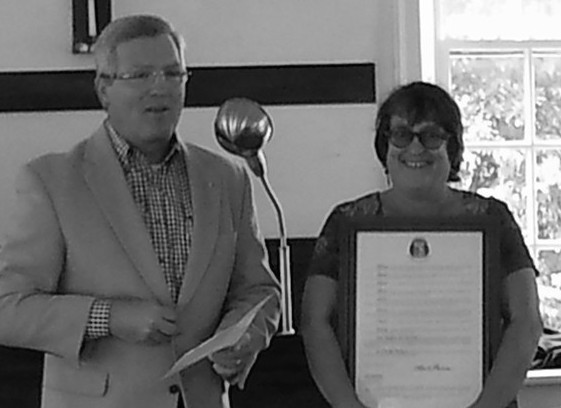
The Historical Society held its annual meeting on Oct 2, 2016 at 3 pm. The old courthouse was packed with people to watch Lisa Irle receive a proclamation from State Senator David Pearce, thanking her for her years of hard work as the museum's Curator.
Destry Hough, Board President, reported that the Community Foundation of the Ozarks had finally returned $305,000 of the Society's money. Lisa Irle had worked tirelessly to get the Foundation to release the funds that it had tied up for years.


witgw.jpg

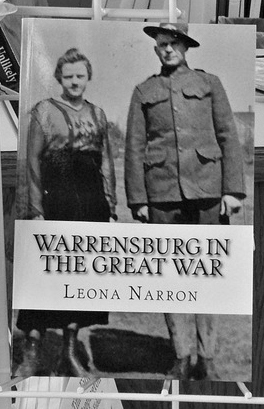
Peggy Nuckles read passages from the book Warrensburg in the Great War, which told the story of Leona Narron, a 19 year-old-girl who kept a diary and wrote about life in town in 1918. With a mother dying of tuberculosis and an alcoholic father, Leona had quit school early to go to work in a factory to help support her younger brothers and sisters. Her stories recounted local murders, crimes and diseases that swept through town, including the Spanish flu epidemic that killed millions of people worldwide.
After the program, attendees visited the new Little Gift Shop on the Old Towne Square. Volunteers Loretta Millstead, Fran Billings, and Donna Holt offered free refreshments to the crowd.


Donors
Thanks to the donors who have made contributions to the JCHS Collections

Ken & Nancy Weltz, Columbia, MO - Wagon wheels, creamer separator, Sandstone Sharpening wheel, saws, 1916 photo of High Point Church.

Joseph Roop, Kennewick, WA - $200

Wilber Kephart, Holden, MO - $500

Jerry Brown, Warrensburg, MO - $100

Mr. & Mrs. James H. Moon, Iowa  “The Old Drum
Story,” by Icie F. Johnson, 1957, Warrensburg Chamber of Commerce.

Stan Garnett, Annandale, VA - Two books and a small German-language Bible from his great aunt Anna Feldman Brockhaus.
Christmas Ornaments Hopefully, each of you visited your city hall during the Christmas Holidays where you saw the Johnson County Historical Society’s lovely glass ornaments of 2016 donated for the Mayors’ Christmas Trees.

Thanks to Dean Young for creating the ornaments.
Volunteers Keep the Historical Society Going
Since we lost Lisa Irle, our curator and only full-time employee, the Historical Society has been kept open by an all-volunteer force. If it weren’t for the following people we couldn’t keep our doors open.
Buddy Baker - mowing and grounds maintenance
Donna Belshe - Records Project
Herbert Best - Obituaries & research facilitation
Fran Billings - Gift Shop
Donna Holt - Treasurer, Gift Shop
Judy Cochran - Records Project
Martha Baile - Records Project
Leota Colster - Records Project
Loretta Millstead - Gift Shop
Karmann Nelson - Family and Business Files
Peggy Nuckles - blogger, newsletter, assistant grounds keeper the need for someone to clip news-
Kay Russell - Records Project
Mike Shaw - Building Maintenance & Administration
                        
imageedit_13_7609860673.jpg
Karman Nelson "hired on" to spin, weave, and work with costumes but the need for someone to clip newspaper articles was too great.

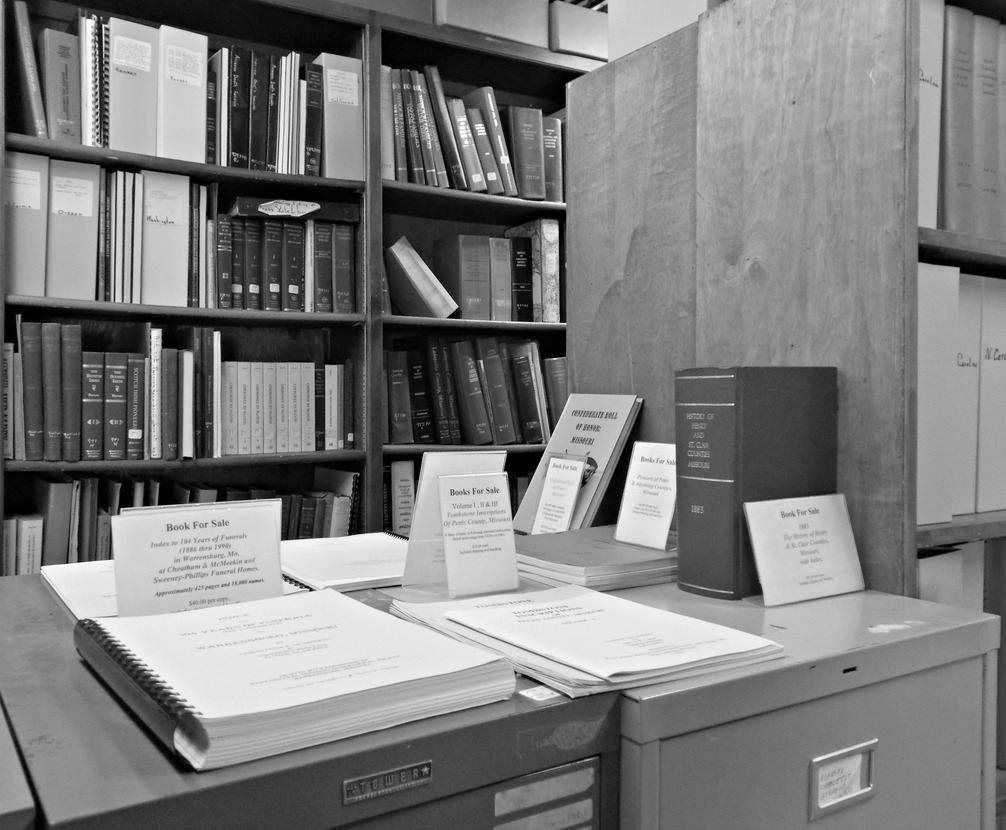
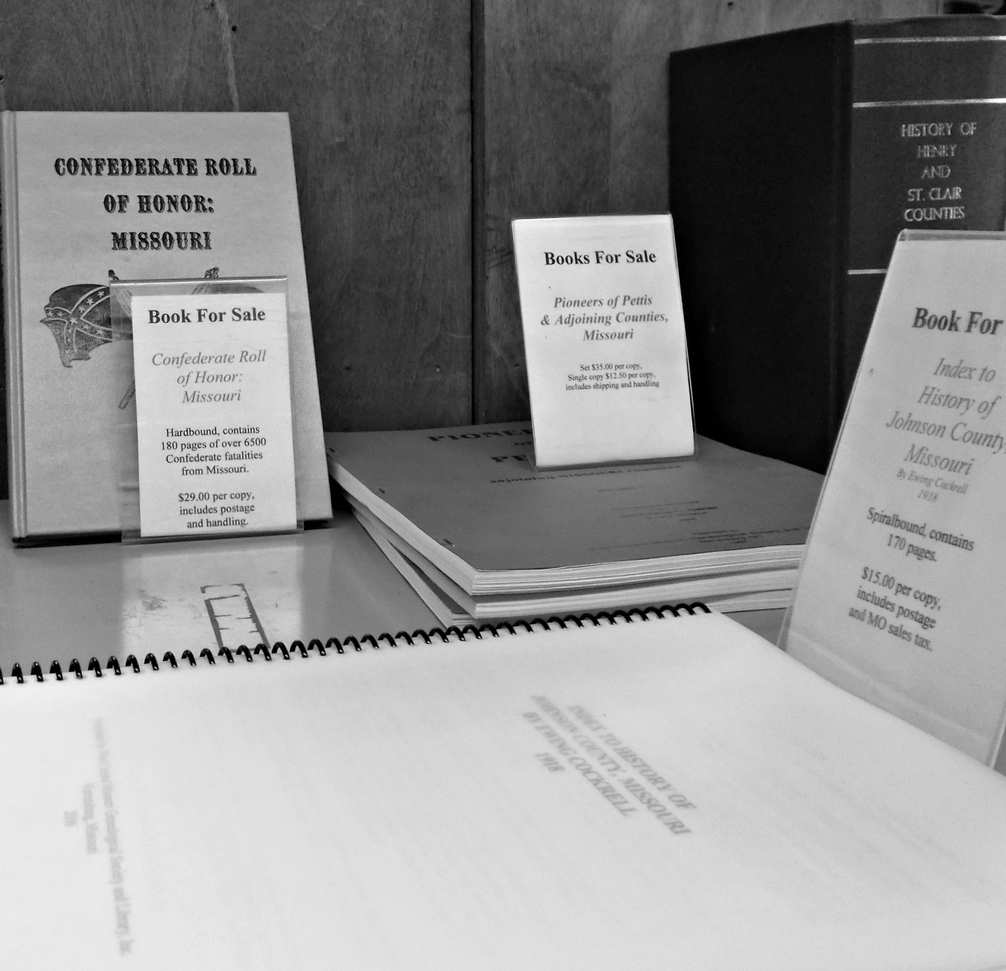
Genealogy Society Offers Books for Sale
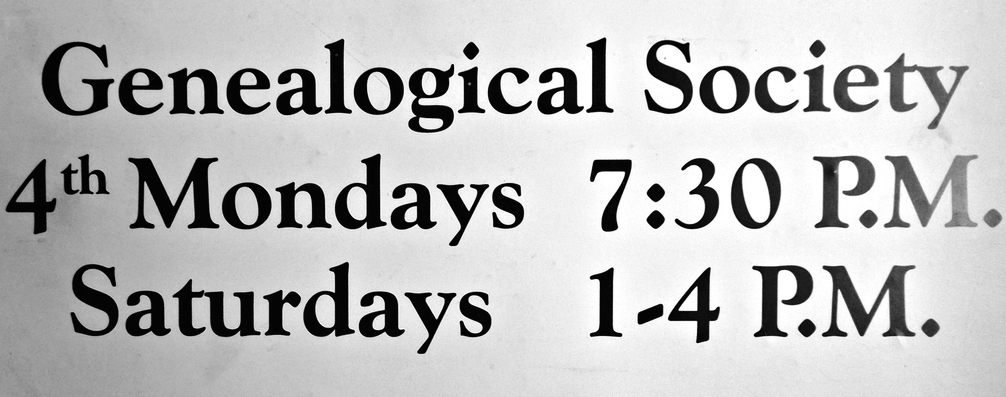
The Genealogy Society maintains a library in the basement of the Smiser Building. In addition to the large number of books they have available for research, they also have
imageedit_83_9841133128.jpg


several interesting titles for sale. Check these out.imageedit_87_4085658930.jpg

imageedit_94_6653921402.jpg

Thank you Peggy Nuckles for another wonderful newsletter!